
Flying from Japan to Vancouver for the FIFA World Cup 2026 is an expedition more than a weekend getaway. You are crossing the Pacific, moving through time zones, and landing in a city that feels calmer, cooler, and wider than the pace of Tokyo or Osaka. This page is your practical and honest travel guide.
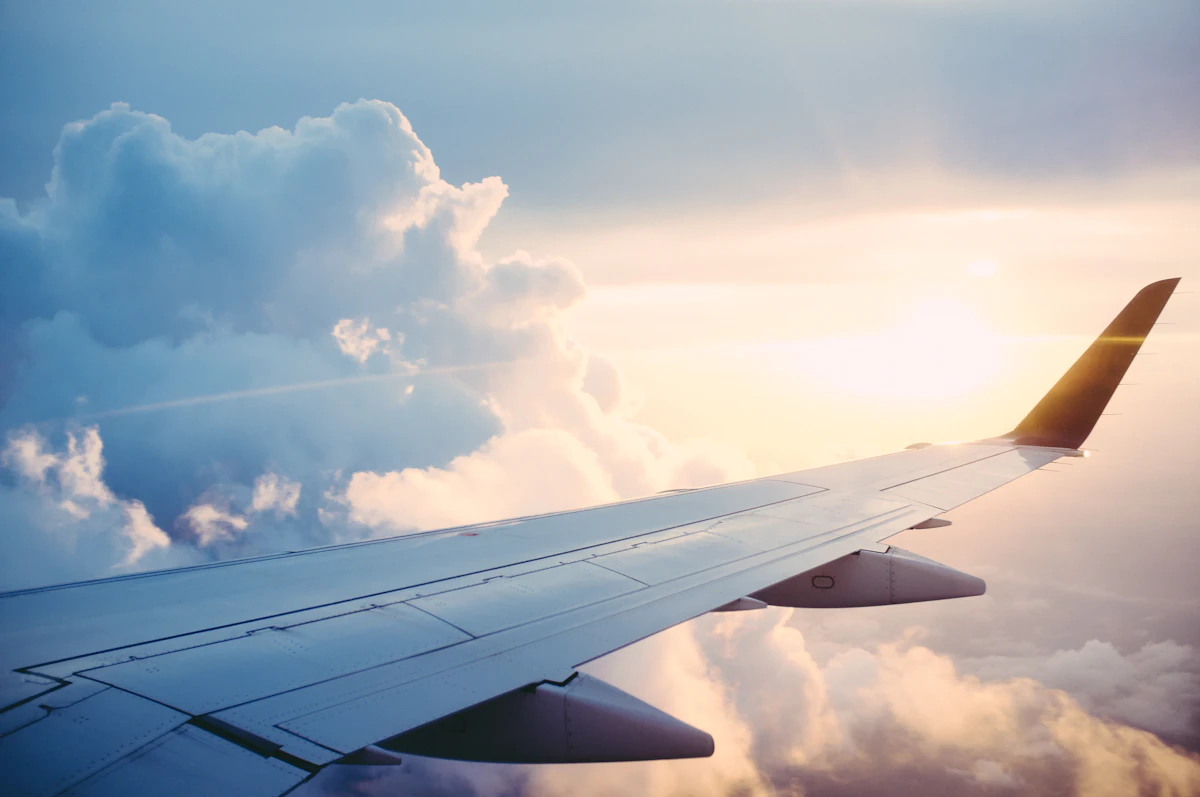
Tokyo to Vancouver is one of the longest direct routes for World Cup travel. Flights typically depart from Tokyo Narita, Tokyo Haneda, or Osaka Kansai. Direct flight duration is roughly 8–9 hours, while connections through cities such as Seattle, San Francisco, or Calgary can push total travel time beyond 12 hours.
You leave Japan in one rhythm and land in Vancouver in another. Your head says yesterday and your body says something entirely different. That first day often feels like a blur of airport movement, Pacific light, and a brain that is still somewhere over the ocean.


Japanese passport holders do not require a visa for short stays in Canada, but an eTA is mandatory. This is the kind of detail that feels simple until an airline desk asks for it before boarding.
Keep both digital and printed copies of your key travel documents. Airports move quickly until the moment something on your phone does not load.

Vancouver International Airport greets you with a high ceiling, quiet efficiency, and a noticeably softer atmosphere than the compressed pressure of many large international arrivals. The city introduces itself fast: air, light, glass, and horizon.
At passport control, baggage claim, and customs, the flow is usually calm rather than chaotic. Step outside and Vancouver already feels different from East Asian urban density. The city looks open even before you reach downtown.
Getting from YVR to downtown Vancouver is one of the easiest airport transfers in any major city. The city does not make arrival harder than it needs to be, which matters after a long Pacific crossing.
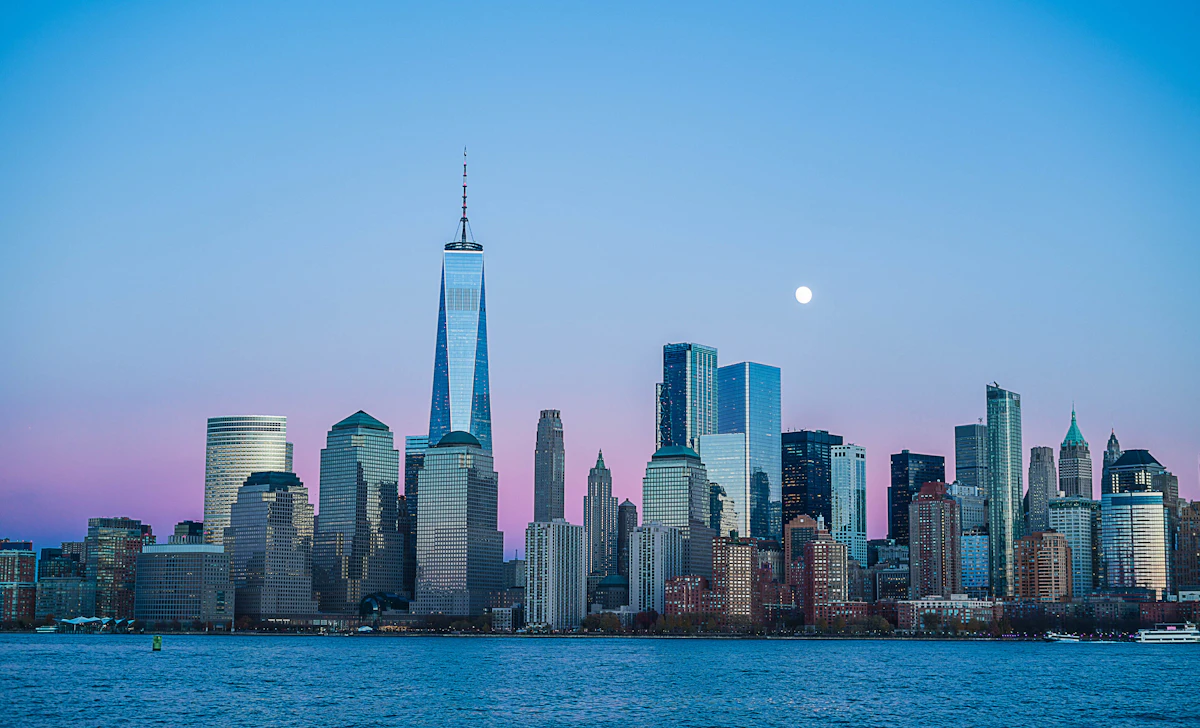
For many fans, the rail journey is the true first entry into Vancouver: carriage windows, skyline emergence, and the feeling that the tournament is no longer a plan but a place.

Vancouver’s centre is compact by North American standards, but location still matters. Staying close to transport, walkable food options, and central matchday routes makes the trip noticeably smoother.
Staying “cheaper but farther out” often looks smart on paper and feels exhausting after late matches, long walks, and crowded trains. Vancouver rewards central positioning.
Vancouver match days will orbit around BC Place Stadium. The city’s pace tightens, security lines grow, and transport platforms feel very different before and after kick-off.


The biggest hidden challenge on this route is not the aircraft seat. It is body rhythm. Vancouver can feel like a delayed version of your day while Tokyo keeps pulling your internal clock in the opposite direction.
Jet lag is less about pure exhaustion and more about timing dislocation. The first Vancouver sunset can feel oddly like a second sunrise.

Canada uses the Canadian dollar, and cards are widely accepted. Still, small cash backup helps for transit top-ups, quick purchases, or moments when convenience matters more than perfect efficiency.
Vancouver is not a cheap city. The goal is not to be surprised by that after arrival.

Vancouver rewards wandering. This is one of the few World Cup cities where you can move from skyline glass to harbour calm and then into green waterfront paths without forcing the experience.
Summer patios, long evening light and a multilingual street rhythm make Vancouver feel globally open without becoming chaotic.

Vancouver is generally comfortable for visitors, especially in central and tourist-focused zones. The point is not to feel anxious. It is to stay switched on in the same practical way you would in any major event city.
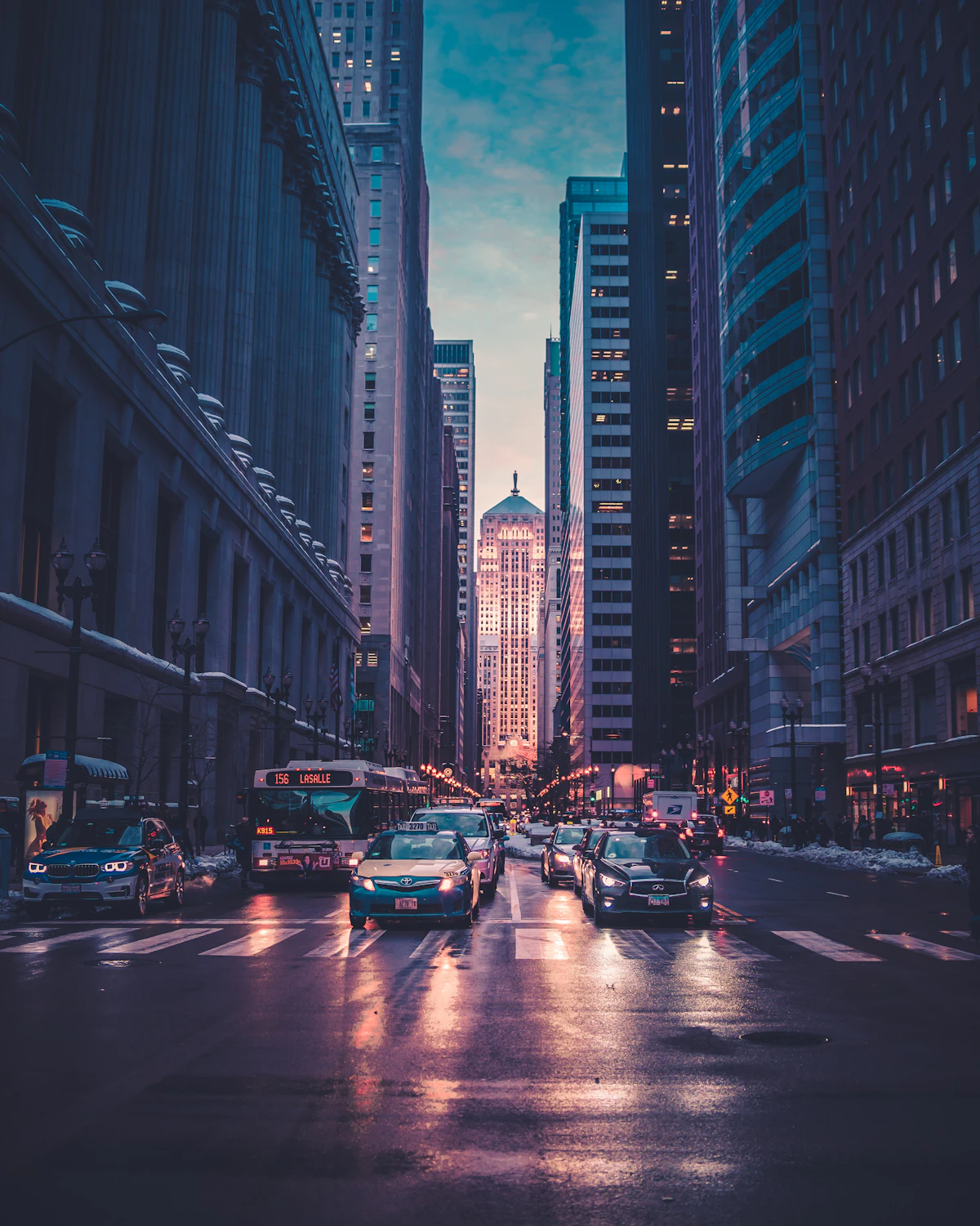
Japan’s summer humidity conditions people to expect heat that wraps around the body. Vancouver feels milder, airier and more coastal. Even when the day is warm, the evenings often soften quickly.

Many Japanese fans will not stop at one city. Vancouver often becomes one leg of a wider North American route, whether paired with Toronto, Seattle, or even Mexico City.
There is a quiet thrill in seeing Japanese fans moving through Vancouver in scarves and jerseys against a harbour skyline. It does not feel like the dense spectacle of a Japanese city after a huge match. It feels calmer, more international, and slightly surreal.
On the return journey, scarves go back into bags, coffee replaces adrenaline, and the Pacific route suddenly feels shorter because the experience has already happened.

Long-haul travel, time shift, stadium planning and city rhythm all matter on this route. Build the trip well, leave margin for recovery, and let Vancouver reward the effort with one of the most atmospheric tournament settings in North America.