
The Super Eagles arrive with identity, ambition and the emotional force of a football nation that expects to be seen. This profile explores Nigeria’s World Cup history, tactical character, squad balance, psychological landscape and what success could look like in 2026.
When the Super Eagles take the pitch, they carry more than a tactical plan. They carry the aspirations of millions. Nigeria’s football identity is vibrant, expressive, unpredictable and capable of dazzling brilliance.
For decades, Nigeria have been one of Africa’s most recognisable World Cup presences. Their presence inspires belief not only within the country, but across the continent. In 2026, that legacy continues, though the path ahead demands sharper structure and greater control.
As the global game evolves, Nigeria remain uniquely themselves: fast, energetic and committed to a footballing expression that blends skill with physicality. The challenge is clear. Those strengths must align with discipline if potential is to become performance.

Nigeria’s World Cup story began in 1994 with fearless attacking football and immediate visibility. Since then, the Super Eagles have become one of the world game’s most familiar African brands.

In recent editions, Nigeria have shown flashes of promise and inconsistency in equal measure. They can surge with attacking verve, yet sometimes look less convincing when matches demand patience, shape and control.
Nigeria’s football personality is rooted in speed, verticality and forward movement. Quick transitions, wide penetration and players confident in one-versus-one situations are central to their threat.
At their best, that expressive identity is breathtaking. It creates discomfort, forces defenders backward and energises the entire team. But it can also invite structural tension when the collective shape loses balance.
Defensively, Nigeria have not always preserved compactness. Wide attacks can leave central spaces exposed, while enthusiastic pressing is sometimes mis-timed, opening passing lanes for disciplined opponents.
A key concern lies in possession phases. When Nigeria must retain the ball and build in a more controlled manner, attacks can become hurried and transitions disjointed.
For 2026, the balance must be clearer. Teams that blend flair with structure usually outlast teams driven primarily by inspiration. Nigeria have the talent. The test is whether they can sustain shape without dulling their natural edge.
Nigeria often assemble squads that combine emerging energy with established experience. That blend can be powerful, especially when tournament pressure demands both freshness and composure.
Pace in the front line remains one of Nigeria’s clearest advantages. In wide zones and attacking transitions, they can test defences relentlessly and force hurried decisions.
Midfield creativity often looks strongest when the team can attack into space. Once matches slow down, structure and patience become more important than raw athleticism alone.
Beyond the first-choice XI, bench impact can vary. In a tournament shaped by travel, fatigue and fixture compression, that variance matters more than it does in isolated matches.
Nigeria’s federation has tried to broaden experience through strategic friendlies and coaching continuity. Whether that work turns promise into consistency remains one of the major questions going into 2026.
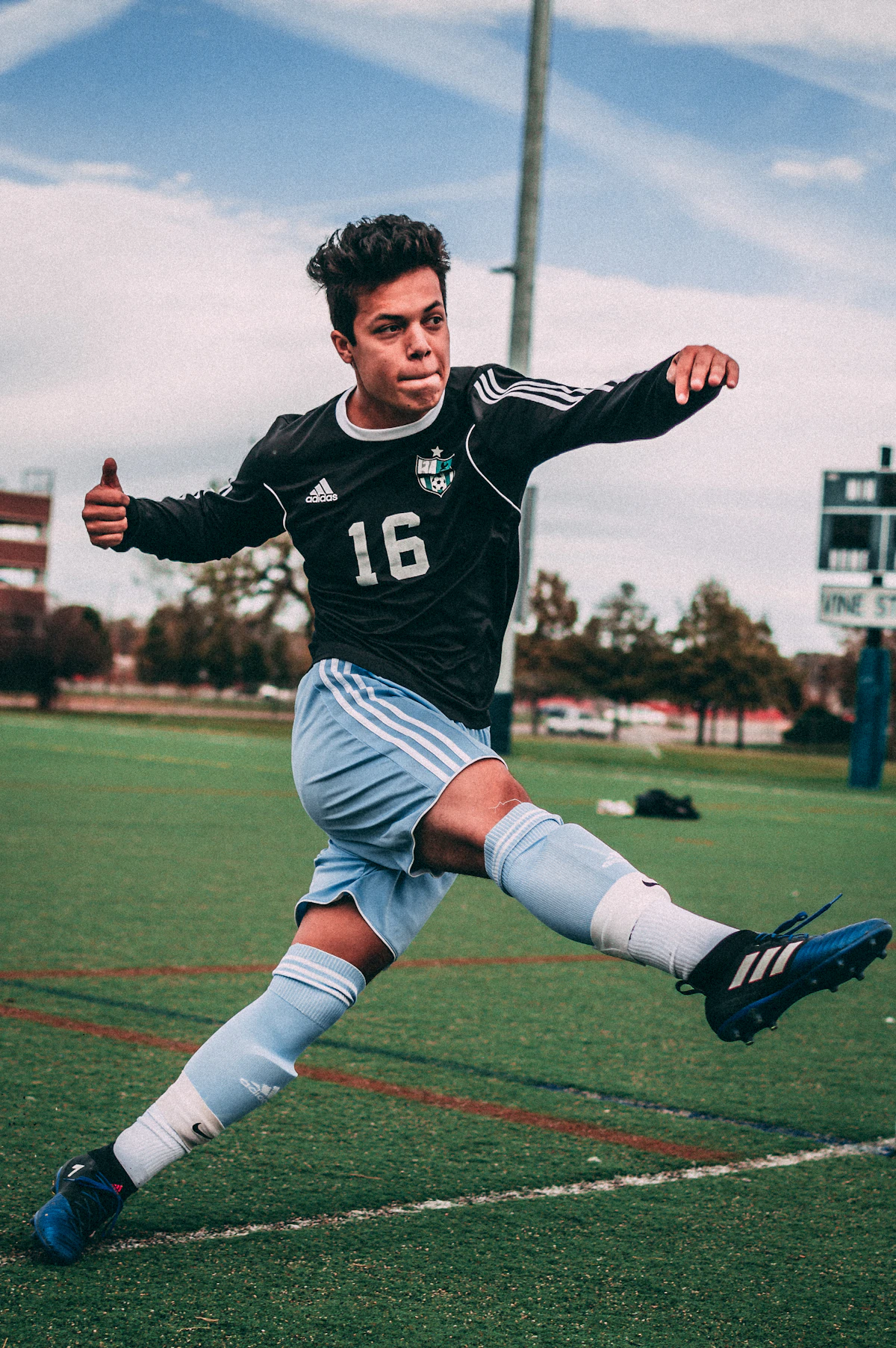
Football in Nigeria is more than sport. It is civic identity, shared memory and collective emotion. The Super Eagles represent that intensity every time they step onto the international stage.
Pressure can inspire outstanding performance, but it can also magnify frustration. In tournament football, emotional regulation becomes part of tactical execution.
Nigeria have shown resilience before, but emotional balance across several games is essential in a competition as demanding and dispersed as World Cup 2026.
The expanded tournament opens more routes forward, but it also introduces more tactical variety, more travel and more scenarios that test squad control.
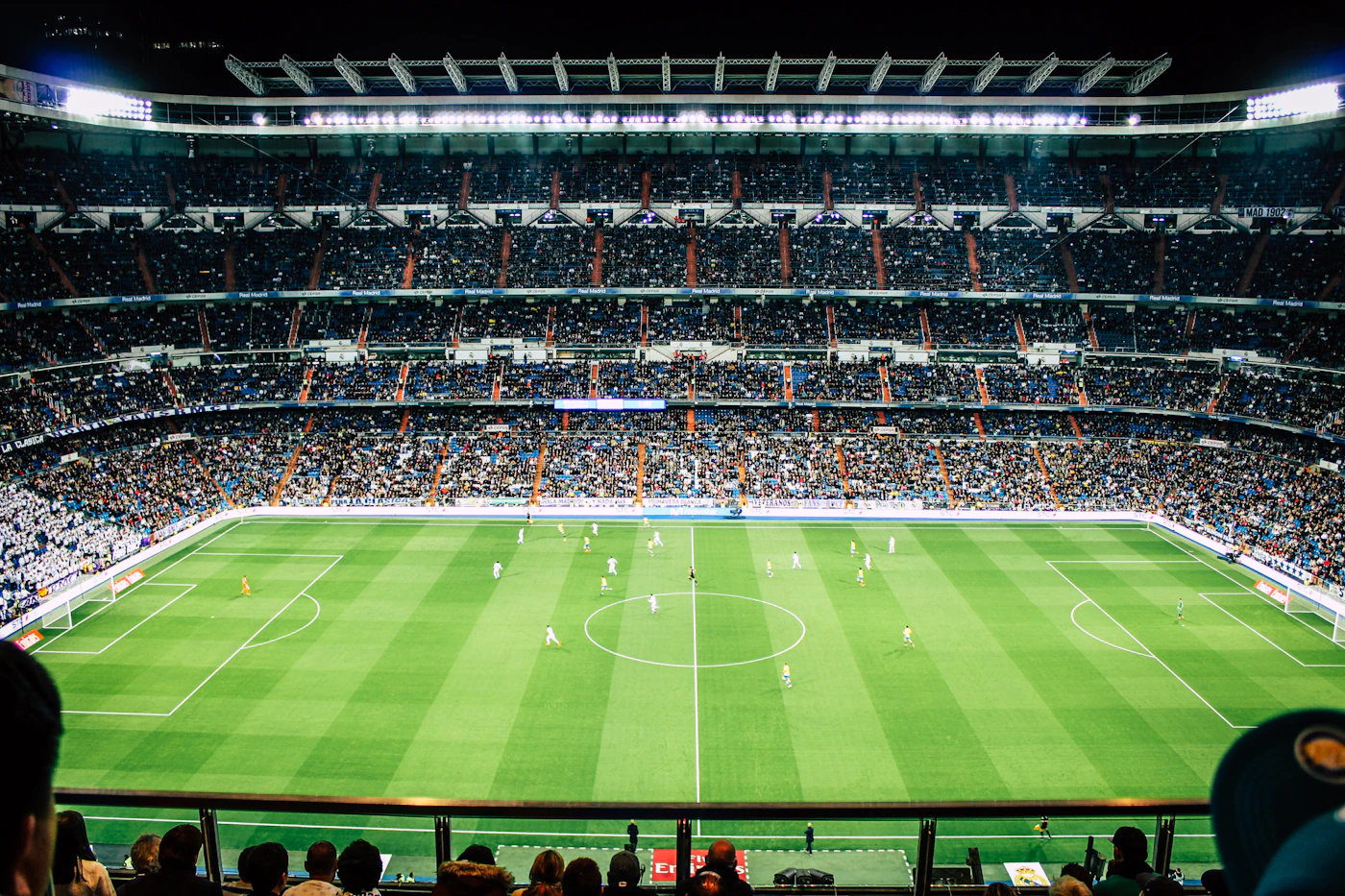
The Nigeria Football Federation has invested in youth systems and domestic development, while more home-grown prospects continue to move into competitive European environments at younger ages.
That strengthens the talent pipeline. But talent flow alone is not enough. The movement from youth promise to senior tournament success depends on coaching continuity, tactical education and a consistent national-team framework.
There is optimism, and with reason. Yet World Cup success is not generated by hope alone. It is built through repeatable standards, role clarity and a system that can survive pressure.

Nigeria stand alongside nations such as Morocco, Senegal and Egypt as symbols of continental ambition on the world stage.
In regional competitions, Nigeria often display speed, directness and individual flair that can overwhelm opponents. Those qualities are part of the nation’s footballing image and part of why the Super Eagles are so widely followed.
The next step is not about abandoning that identity. It is about refining it. Structured consistency against disciplined opposition is the next phase in Nigeria’s football evolution.
That journey reflects more than a team. It reflects a football culture in transition, still rooted in expression, but increasingly aware that tournament success is built on detail as much as emotion.
If Nigeria can marry cultural confidence with tactical precision, they will remain not only one of Africa’s most watchable teams, but one of its most dangerous.
These weaknesses do not reduce Nigeria’s ceiling. They simply sharpen the focus. The Super Eagles already possess the raw material to compete. The task is to organise that material more consistently.

A deep knockout run would not simply confirm talent. It would confirm maturity. It would suggest Nigeria have learned how to translate energy into control and identity into results.
Behind every tournament profile are stories of memory, belonging and imagination. Nigeria’s World Cup presence resonates because it connects national ambition to personal experience.
A young supporter watches with family, absorbing the sound, the pressure and the feeling that the national team stands for something larger than sport.
A player recalls childhood dreams before kick-off, carrying the weight of memory into a moment the whole world can see.
Communities in North American host cities gather around Nigeria’s matches, turning distant venues into emotional extensions of home.
Nigeria arrive at FIFA World Cup 2026 with identity, ambition and emotion. Their strengths can unsettle any opponent. Their challenges are real, but solvable through tactical clarity and structural evolution.
If they balance dream with discipline, speed with shape and flair with control, the Super Eagles will not merely compete. They will inspire.