
Heavy Gulf air. A retractable roof. A venue built for scale, climate control and tournament intensity. This guide explores where NRG Stadium sits in Houston, how match day works, what visitors should expect, and why Houston Stadium matters in the wider World Cup 2026 landscape.
NRG Stadium stands in the NRG Park complex south of central Houston. It is not tucked into a walkable urban patchwork of cafés and side streets. It sits in a broad managed zone shaped by parking expanses, exhibition buildings and wide arterial roads.
That matters because arriving here requires planning. A hotel that appears close on a map can still become a long trip in Houston traffic, especially when weather turns or event crowds build pressure around the venue.
In Houston, distance is never only about kilometres. It is also about time, storm risk, congestion and whether you moved early enough.

This is a practical arrival venue. If you are booking accommodation or choosing transport, plan around match-day traffic rather than map distance alone.
FIFA regulations remove non-tournament sponsor branding during the competition, which is why NRG Stadium becomes Houston Stadium for World Cup 2026. That official name matters for tournament presentation, signage and editorial consistency.
But locals will still call it NRG. Taxi drivers, rideshare drivers and everyday Houston conversation will not suddenly switch vocabulary for branding compliance. Visitors should know both names and recognise that both will be used.

Compared with more theatrical stadiums, NRG feels grounded and purposeful. It does not chase spectacle for its own sake. It focuses on comfort, crowd management and event function.
That makes it particularly useful in Houston, where heat, humidity and unpredictable storms can shape the day just as much as the fixture itself.

NRG Stadium was one of the first NFL venues to feature a retractable roof. With the roof open, the venue feels visually connected to the outside sky and humidity. With it closed, it becomes a sealed bowl of noise and controlled temperature.
Sightlines are strong, the bowl is steep enough to hold intensity, and the large screens support the event without overwhelming it. Unlike more futuristic venues, NRG feels less like an architectural statement and more like an event machine.
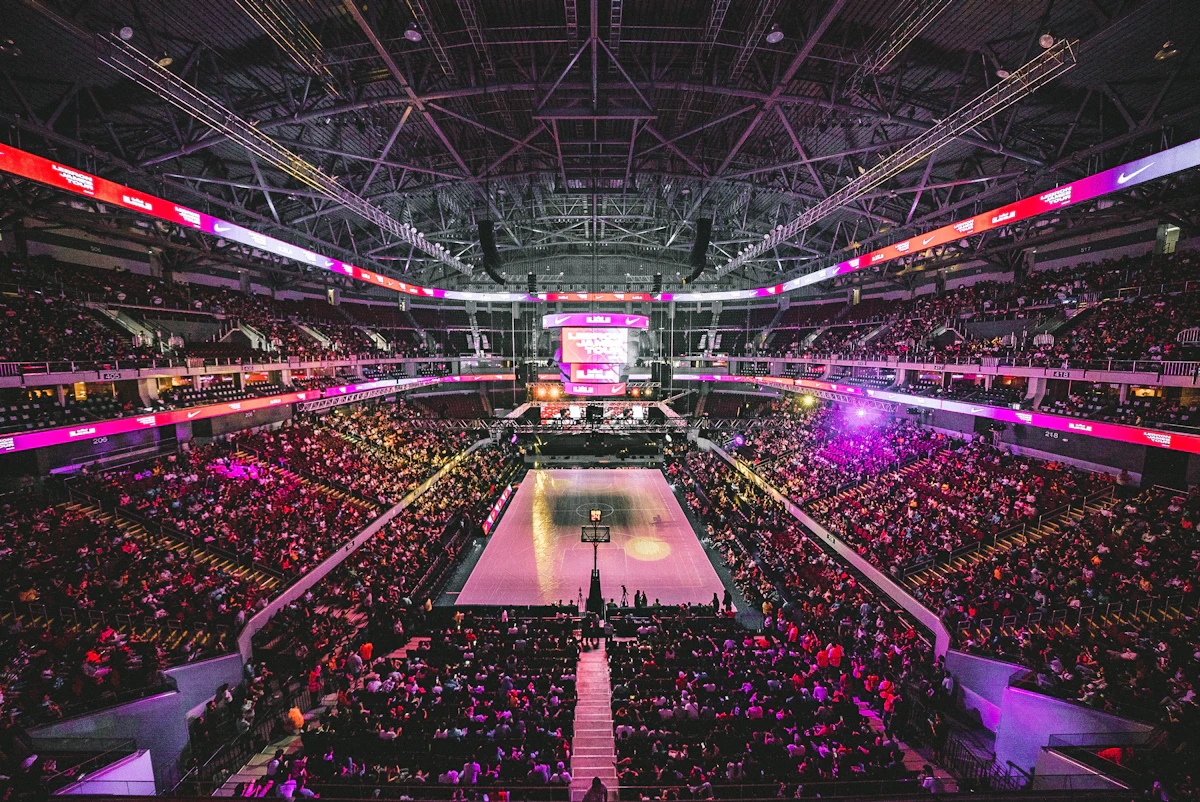
Functional. Solid. Purpose-built. NRG does not need to feel futuristic to feel effective on a World Cup match day.
Houston crowds are less theatrical than Dallas and often more varied in tone. This is one of the most culturally diverse cities in the United States, and that diversity becomes part of the venue atmosphere long before kick-off.
Tailgating begins early. Smoke from portable grills mixes with thick Gulf humidity. Music drifts from trucks. Families gather between parked cars. The whole setting feels active, slightly chaotic and unmistakably Houston.
Then you walk inside and the air conditioning hits instantly. That first shift from outdoor heat to interior cool is part of the match-day memory here.

“Houston summers can feel like walking through warm soup. That is why the roof here does not feel optional. It feels essential.”
Venue Reality • Summer Match ConditionsHouston is car-oriented. Public transport exists, and the METRORail Red Line helps, but visitors should not expect a frictionless metro-style arrival on the scale of more transit-shaped cities.
Rideshare zones can become congested after major events. Pick-up routes change. Drivers circle. Waiting times grow. Controlled entry and staggered exits are likely during World Cup operations.
If you are moving around multiple host cities during the tournament, Houston is a place where transport planning matters early, not late.
Rail helps, but traffic still defines the rhythm. Build extra time into every movement around the stadium on match day.
American stadium security is thorough. Clear bag rules, metal detectors and multi-layered screening should be expected. During the World Cup, these procedures are likely to feel even tighter.
Arriving early is not just a general recommendation here. It is practical protection against small mistakes becoming long delays in heat or rain.

NRG’s concourse works well. It is not trying to seduce visitors with architectural gloss. It is built to move crowds, serve food and keep the event running.
Expect classic American stadium options like brisket, nachos, hot dogs and large cups of beer. Queues can rise quickly at half-time, so timing your food run well makes a difference.
The venue’s personality is less about design flourish and more about the diversity and energy of the crowd moving through it.

Houston’s role in the tournament is strategic. It sits in the American South, holds strong links with Latin American football culture, and offers useful flight connections within the wider three-country World Cup structure.
It is a city that can connect tournament movement across borders as well as across the USA host network. That makes Houston more than a stadium stop. It becomes a logistical hinge.

Houston works as a tournament bridge city, especially for supporters combining American fixtures with travel toward Mexico.
Houston has deep ties to Mexican and Central American communities, and that matters. If World Cup fixtures here involve Latin American nations, the atmosphere could feel relentless rather than episodic.
Expect flags, singing, layered noise and a style of support that rolls continuously through the bowl. In certain matches, the mood may feel closer to Guadalajara than a conventional American event atmosphere.
NRG Stadium occupies a clear role in the USA host list. Dallas pushes scale. SoFi pushes architectural drama. MetLife pushes global-market visibility. Houston pushes climate-controlled intensity in one of America’s most international cities.
Houston’s weather can turn fast. Afternoon glare can give way to dark cloud and thunder with very little warning. That is why the best support plan here is simple: prepare before you are under pressure.
Hydrate before arrival. Wear light clothing. Plan transport in advance. Keep tickets saved offline. Do not assume a last-minute rideshare will rescue poor planning.

Houston Stadium will not define the tournament through mythology alone. It will define it through meaningful fixtures, reliable operation and a crowd atmosphere that can become intense very quickly.
In a World Cup spread across three nations, sixteen cities and forty-eight teams, consistency matters. When the roof closes, lights brighten and anthems echo through a full house, the outside humidity becomes irrelevant.
It may not be romantic in the European sense. It may not be iconic in the oldest sense. But it will be loud, and in a World Cup, loud matters.

Houston Stadium is a venue of function, pressure, crowd force and climate-controlled intensity. That alone makes it a major part of the 2026 tournament story.